The Real Truth: Tcl Qm7K Qd Mini Led Tv or Hisense U8Qg?
The mid‑to‑high end TV market has increasingly focused on Mini‑LED backlights and quantum dot color enhancement as the fastest, most economical route to near‑OLED picture performance. Two models that often appear in buying conversations are the Tcl Qm7K Qd Mini Led Tv and the Hisense U8Qg. Both target buyers who want very bright HDR, deep contrast through aggressive local dimming, and low latency for gaming — yet they approach those goals with different engineering and software choices.
This article compares the two TVs from a practical, real‑world point of view. It analyzes picture performance, HDR capability, gaming features, smart platform behavior, sound, and day‑to‑day usability. It also provides pros and cons, a comparison table of key attributes, and a buying guide to help shoppers choose the set that best fits their home and viewing habits.
Detailed analysis: what each TV brings to the living room
Tcl Qm7K Qd Mini Led Tv — what to expect
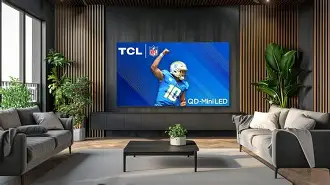
The Tcl Qm7K Qd Mini Led Tv emphasizes a hybrid approach: Mini‑LED backlighting combined with quantum dot (QD) color enhancement. That combination aims to increase peak brightness for HDR highlights while expanding the color gamut, producing more vivid highlights in HDR content such as specular reflections, neon signs, and HDR grading in modern films.
Design and build: the QM7K typically features a slim bezel and a sturdy stand with moderately premium finishes. TCL usually offers multiple sizes for this class, letting buyers match screen size to viewing distance and room scale. Build quality is generally solid for the price, though it’s not in the same metal‑and‑glass league as the most expensive flagship sets.
Picture and HDR: The QM7K’s strengths are high peak brightness and aggressive dimming zones made possible by Mini‑LED arrays. In practice, this translates into punchy HDR highlights and strong perceived contrast on mixed content. The QD layer helps keep saturated reds and greens lively, which benefits animated content and certain film masters.
Local dimming implementation is a major factor. TCL models in this tier often use many small dimming zones and dynamic algorithms to limit haloing around bright objects on dark backgrounds, but the quality can vary by scene. In well‑executed scenes, the result is excellent HDR pop; in some busy scenes there can be visible blooming if the image has lots of small bright elements set against dark areas.
Motion and upscaling: TCL usually includes robust motion processing and upscaling engines. Sports playback and native 120Hz content look fluid, and interpolation options exist for smoothing motion at the cost of the "soap opera effect." Upscaling from 4K streaming or Blu‑ray sources is competent, with good edge handling for text and interface elements.
Gaming: For gamers, the QM7K class frequently supports 120Hz native refresh, low input lag in Game Mode, and variable refresh rate (VRR) support. These features make it suitable for modern consoles and PCs where frame pacing and responsiveness matter. The exact HDMI specification and bandwidth may vary by region, so it’s wise to confirm the HDMI 2.1 capabilities for owners who plan to run high‑refresh 4K gaming.
Smart platform and updates: TCL ships its higher‑end models with either Google TV or an advanced Roku/Android build depending on region and year. The result is a familiar app selection and voice integration. TCL’s update track record has improved, but buyers should verify the promised OS and update policy for their local market.
Sound: Integrated audio on TVs in this class tends to be serviceable but not cinematic. TCL models usually provide decent dialog clarity and some surround simulation, but buyers serious about cinema should plan for a soundbar or AV receiver.
Hisense U8Qg — where it stands
The Hisense U8Qg is part of Hisense’s competitive U8 line that has often pushed Mini‑LED performance at aggressive price points. The U8 series has been notable for very high peak luminance, dense local dimming, and gaming‑forward feature sets. The U8Qg variant typically represents a regional suffix but shares the core hardware philosophy: deliver exceptional brightness, tight contrast, and extensive gaming features.
Find top-rated TVs & Home Theater products at great prices.
Shop Amazon →Design and build: Hisense usually packages the U8 series with a refined look — thin bezels, premium plastics, and solid mounting options. The television often includes a generous port array to accommodate multiple consoles and external devices.
Picture and HDR: The U8Qg targets strong HDR performance, often achieving very high nit values that make HDR specular highlights extremely bright. Its Mini‑LED array and local dimming algorithms are tuned to favor deep blacks and minimal halation. In many reviews and user reports for U8 models, the set delivers class‑leading brightness for a sustained period and reproduces HDR nuances well in bright‑room viewing.
Color and tone mapping: Hisense frequently implements effective tone mapping for HDR10 and HDR10+ content, while models in some markets include Dolby Vision support. The color tuning leans toward punchy, consumer‑friendly saturation but can be calibrated toward a more neutral movie mode for enthusiasts.
Motion handling and upscaling: The U8 series is typically strong with motion handling, using interpolation and frame insertion tools to keep sports and fast sequences crisp. Its upscaler is competitive, and 1080p or 1440p sources appear detailed on large 4K screens when streaming or using external players.
Gaming: Hisense’s U8 class often comes with a feature stack attractive to gamers: 120Hz panels, HDMI 2.1 ports (with caveats by region and firmware), low input lag, ALLM, and robust VRR support. Those features make the U8Qg a frequent recommendation for console owners who want high refresh rates and minimal latency straight out of the box.
Smart OS and ecosystem: Hisense uses Google TV on many U8 variants, though some regions receive VIDAA or other custom UIs. Google TV provides a broad app ecosys…
Sound: Like TCL, the stock speakers are fine for everyday TV watching but will not replace a dedicated audio system. Hisense sometimes tunes its higher‑end models to emphasize clarity and virtual surround, which helps for TV shows and sports.
Pros & cons
Tcl Qm7K Qd Mini Led Tv — pros
- Excellent HDR highlights thanks to high peak brightness and quantum dot color layer
- Strong color saturation and wide color gamut for vibrant images
- Generally fast motion handling and upscaling performance
- Attractive value for Mini‑LED technology in many regional price brackets
- Good gaming features in Game Mode (low input lag, VRR on supported variants)
Tcl Qm7K Qd Mini Led Tv — cons
- Local dimming can produce haloing in complex scenes if the algorithm mismanages many small bright objects
- Smart OS and service levels vary by region; verify the exact software shipped
- Built‑in audio is adequate but not immersive for home cinema without external sound
Hisense U8Qg — pros
- Very high peak brightness for spectacular HDR highlights
- Tightly controlled local dimming yields deep blacks in many scenes
- Gaming‑friendly: 120Hz support, low input lag, and VRR/ALLM features commonly available
- Generally strong tone mapping, with good results for HDR10/HDR10+ and some Dolby Vision implementations
- Competitive price‑to‑performance ratio in its segment
Hisense U8Qg — cons
- Color tuning can be punchy out of the box; may require calibration for accurate film playback
- Some firmware updates change behavior — buyers should check for the latest patch before judging performance
- Speakers are serviceable but not a substitute for a soundbar
Quick comparison
| Attribute | Tcl Qm7K Qd Mini Led Tv | Hisense U8Qg |
|---|---|---|
| Panel technology | Mini‑LED backlight + Quantum Dot color enhancement | Mini‑LED backlight with ULED processing (regionally branded) |
| HDR handling | High peak brightness, vivid colors; good HDR pop, variable dimming artifacts | Very high brightness, strong tone mapping, deeper blacks in many scenes |
| Local dimming | Many zones, aggressive; can bloom on complex shots | Dense zones, tuned for reduced haloing, strong black levels |
| Refresh rate & gaming | 120Hz support; low input lag in Game Mode; VRR on supported SKUs | 120Hz support; low input lag; VRR/ALLM widely available |
| Smart platform | Google TV or Roku/Android variants depending on market | Google TV in many regions or VIDAA; app ecosystem strong |
| Sound | Good dialogue clarity; not room‑filling; soundbar recommended for movies | Clear tuning; adequate for TV/sports but soundbar advised for cinema |
| Best for | Buyers who prioritize colorful HDR highlights and strong value in Mini‑LED | Buyers who want peak HDR brightness, tight contrast, and gaming features |
Buying guide: key factors to consider before choosing
1. Viewing environment (bright vs dark room)
Brightness matters. If the TV will be used in a sunny living room with large windows, prioritize sustained peak luminance and anti‑reflective screens — attributes where very bright Mini‑LED sets excel. For a dark‑room cinema, contrast and local dimming finesse are more important; small halos and blooming become more noticeable, so choose the model that handles dimming gently or plan for careful calibration.
2. Content type (movies, sports, gaming)
Movie watchers often favor accurate color and deep black levels. If cinematic accuracy is the goal, look for a neutral factory movie mode and available calibration controls. Sports viewers benefit from high brightness and robust motion handling to keep fast action crisp in daylight. Gamers should prioritize 120Hz native support, low input lag, VRR, and sufficient HDMI bandwidth for consoles and high‑end PCs.
3. HDR formats and future compatibility
Confirm the HDR formats supported (HDR10, HDR10+, Dolby Vision). Dolby Vision is still common in streaming and UHD discs, so buyers who prefer "set‑and‑forget" HDR may prioritize sets with Dolby Vision and automatic tone mapping. Also check for firmware support and how the manufacturer has handled feature updates historically.
4. Smart platform and apps
App availability and OS behavior differ by region and model year. Google TV provides wide app coverage and good casting integration, whereas proprietary platforms can be lighter and occasionally faster. Ask which OS ships in the buyer’s market and whether the manufacturer publishes a software update policy.
Discover deals on TVs & Home Theater — updated daily.
Shop Amazon →5. Audio and accessories
Plan for audio. Integrated TV speakers rarely produce cinema‑level sound. If the buyer values immersive audio, budget for a soundbar or AVR. Check for eARC/ARC support on HDMI ports if connecting external audio systems, and verify whether the TV supports Dolby Atmos passthrough if that’s important.
6. Calibration and picture modes
Out‑of‑the‑box color accuracy varies. Look for a "Movie" or "Filmmaker" mode that minimizes post‑processing. If accuracy matters, check whether the TV supports 10‑point white balance, color management, or third‑party calibration tools. Enthusiasts should also confirm whether local firmware updates have historically improved or degraded calibration.
7. Warranty, service, and longevity
Mini‑LED can be very bright but generates heat; good thermal design is important for longevity. Verify warranty periods, available service in the buyer’s country, and the brand’s reputation for software support. A longer warranty or superior customer support can offset small performance tradeoffs.
8. Price and timing
Mini‑LED TVs often drop in price seasonally — during holidays or when new model years arrive. If the buyer is flexible, waiting for a sale or the next model cycle can yield better value. Compare street prices, but focus on long‑term value: how well the TV meets the buyer’s viewing habits and whether it supports the necessary future features (e.g., 120Hz, VRR, HDMI bandwidth).
How to choose between the two
If the primary goal is saturated, vivid HDR with strong color accentuation and a straightforward out‑of‑the‑box experience, the Tcl Qm7K Qd Mini Led Tv is an excellent candidate. It often delivers compelling HDR highlights and a lively presentation, which is especially appealing for streaming, animated content, and family viewing where pop and vibrancy matter.
If the buyer prioritizes sustained peak brightness, tight black levels, and a model tailored for high‑performance gaming, the Hisense U8Qg frequently emerges as the stronger option. The U8 series has a reputation for pushing peak luminance and offering a robust feature set for console and PC players, making it a practical choice for mixed use: daytime sports, HDR movies, and gaming sessions.
Ultimately, the decision comes down to the buyer’s environment and content mix. For a bright living room with lots of HDR streaming and daytime viewing, favor peak brightness and anti‑glare handling; for dark‑room cinema and critical film watching, favor local dimming finesse and color accuracy.
Conclusion
Both the Tcl Qm7K Qd Mini Led Tv and the Hisense U8Qg represent the strong value proposition of modern Mini‑LED televisions: dramatically improved brightness and contrast without the premium cost of OLED. They share many strengths — high dynamic range capabilities, capable motion handling, and gaming features — but differ in tuning philosophy. TCL’s QM7K leans into vibrant QD color and impactful HDR pop, while Hisense’s U8Qg prioritizes peak brightness and controlled local dimming for deep blacks and game‑friendly performance.
Shoppers should weigh viewing environment, content priorities, and the smart platform that best fits their ecosystem. Both TVs reward careful calibration and pairing with a good sound system. With the right choice for the right room, either set can deliver a dramatic step up in picture quality compared with standard LCDs and represent a strong value for buyers who want the advantages of Mini‑LED without the highest echelons of flagship pricing.