Panasonic Z95B Specs, Features, and Value: Is it worth the price tag?
Introduction
The Panasonic Z95B positions itself as Panasonic's premium OLED offering for consumers who prioritize cinematic picture quality, accurate color reproduction, and a thoughtful set of features for both movie watchers and gamers. This review examines what the Z95B brings to the table: its core specifications, image processing and HDR handling, design and build, smart features, gaming credentials, and real-world performance. The goal is to help prospective buyers decide whether the Z95B's price aligns with their needs and viewing habits.
Overview and key specifications
Rather than focus on marketing shorthand, this section summarizes the Z95B's most relevant technical attributes that buyers typically care about:
- Panel and resolution: 4K OLED (self-emissive pixels) delivering per-pixel dimming and deep blacks.
- Size range: Common sizes offered include 55", 65", and 77" (availability varies by market).
- Refresh rate: Up to 120Hz native refresh rate, suitable for smooth motion and gaming at high frame rates.
- HDR support: Dolby Vision (with dynamic metadata handling), HDR10, HLG, and wide color gamut support.
- Processing: Panasonic's high-end video processing engine with cinema-oriented picture modes and calibration controls.
- HDMI / connectivity: Multiple HDMI inputs with at least two HDMI 2.1-capable ports for 4K/120Hz, VRR and ALLM support for next-gen consoles and PCs.
- Smart platform: Panasonic's own smart TV interface with main streaming apps and calibration tools; platform varies by region and model year.
- Audio: Integrated multi-driver speaker system with support for object-based formats via passthrough and virtualized Atmos decoding.
- Design: Slim chassis, narrow bezels, and stable stand options suitable for tabletop placement or wall mounting.
Design and build quality
Panasonic has historically favored a restrained aesthetic over flashy looks, and the Z95B continues that tradition. The chassis is slim, with narrow bezels that keep the viewer’s attention on the image. The stand is sturdy and practical; it supports heavier displays and typically leaves space for soundbars in front without obstructing the screen. For users who prefer a gallery-style setup, the thin profile makes wall mounting visually unobtrusive.
Build materials and fit-and-finish are generally in line with premium competitors: no creaks, tight panel fitment, and matte finishes that resist fingerprints. For buyers putting the TV on a piece of furniture, the base dimensions and cable management options are worth checking beforehand to ensure a proper fit.
Picture quality and color performance
The Z95B emphasizes a filmmaker-centric presentation. Panasonic's picture tuning traditionally skews toward accurate and natural color reproduction rather than oversaturated “pop” that appeals in showroom demos. That approach benefits viewers who watch a lot of movies and TV shows and prefer content close to the creator's intent.
Highlights of the picture performance include deep native blacks and excellent shadow detail thanks to the self-emissive OLED panel. Color gamut coverage is wide, and the TV supports common HDR formats, enabling vibrant highlights when properly mastered content is played. Panasonic's calibration options are comprehensive, including user modes and professional-grade controls for enthusiasts who want a near-reference image.
Viewers in brightly lit rooms should be aware OLEDs trade some specular highlight brightness for contrast and black levels; however, modern OLED models, including the Z95B, typically improve sustained brightness handling and tone mapping so HDR highlights remain impressive without compromising shadow detail.
HDR handling, tone mapping, and cinematic features
Panasonic places particular emphasis on dynamic tone mapping and scene-by-scene analysis to preserve shadow detail while retaining highlight information. For users who stream or play Blu-rays, the Z95B offers multiple HDR handling modes to accommodate different content sources and preferences. Filmmaker Mode and specialized cinema modes are available for a near-directorial view, reducing post-processing and preserving frame cadence.
For HDR enthusiasts, the Z95B's support for Dolby Vision plus adaptive modes that respond to ambient lighting conditions make it a solid pick for those who want accurate HDR playback without manual recalibration every time the viewing environment changes.
Motion handling and gaming
Motion handling is strong for typical viewing—sports, fast-paced action scenes, and mixed-content programming look smooth when the appropriate motion settings are enabled. The native 120Hz panel supports high-frame-rate video and gaming.
On the gaming front, the Z95B offers the essentials: low-latency game mode, VRR (variable refresh rate), and ALLM (auto low latency mode) when connected to compatible consoles and GPUs. These features are crucial for console gamers and PC players who want to take advantage of 4K/120Hz gaming. Panasonic's image processing aims to reduce input lag while preserving image clarity, but competitive gamers may still prefer specialized gaming monitors for the absolute lowest response times; the Z95B is aimed more at living-room gaming balanced with cinematic performance.
Shop the latest TVs & Home Theater picks on Amazon.
See Deals →Smart TV platform and apps
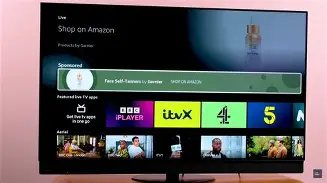
Panasonic's smart interface focuses on providing reliable access to mainstream streaming services, local network media, and calibration utilities. While it may not have the same ecosystem depth as some competitors' platforms, it is generally stable and straightforward, prioritizing content discovery tied to available services in each region. Power users who rely on niche apps or extensive third-party integrations should verify that their required apps are supported in their region before purchase.
Audio performance
The Z95B's built-in audio is serviceable for typical TV use and dialog clarity, with a layout designed to complement the screen’s minimalist aesthetic. For immersive home theater setups, Panasonic supports passthrough of advanced audio formats and may include virtualized Atmos processing to enhance height cues from the built-in array.
However, buyers who expect immersive, room-filling sound should budget for an external sound solution—either a soundbar with Dolby Atmos upfiring drivers or a full AV receiver and speaker package. The TV excels as a central image engine; pairing it with a quality audio system unlocks the full cinematic potential.
Real-world use cases and who the Z95B suits best
The Z95B is tailored to specific buyer profiles:
- Cinephiles and home theater enthusiasts: Those who prioritize accurate color, film-friendly picture modes, and comprehensive calibrati…
Value and price considerations
In the premium TV segment, value is a balance between image fidelity, feature set, and long-term satisfaction. Panasonic historically positions its higher-end models at prices reflecting professional-grade color handling and thoughtful firmware focused on cinema. Buyers evaluating the Z95B should consider:
- How much they value accurate, calibrated color versus punchy, oversaturated factory presets.
- Whether they will pair the TV with external audio to complete a home theater experience.
- How important gaming features like VRR and 4K/120Hz are to their usage patterns.
- Whether warranty and regional service availability meet their expectations for a premium purchase.
When these align, the Z95B's price can be justified as an investment in sustained viewing quality rather than a consumer impulse buy based solely on size or marketing buzz.
Pros & Cons
- Pros:
- Exceptional black levels and contrast thanks to OLED technology.
- Film-oriented color tuning and extensive calibration controls for enthusiasts.
- Support for modern HDR formats and robust dynamic tone-mapping modes.
- 120Hz panel and gaming-friendly features such as VRR and ALLM.
- Premium build and understated design that integrates well into living spaces.
- Cons:
- OLED peak brightness can lag behind the very brightest LCD/QD-OLED competitors in some HDR scenes.
- Smart platform may lack the breadth of some rival ecosystems in specific regions.
- Built-in audio is good for dialog but less capable than dedicated home theater systems.
- Premium price; buyers should ensure feature priorities align with the cost.
Comparison table: Panasonic Z95B vs. nearest competitors
Feature Panasonic Z95B LG G3 (representative) Sony A95L (representative) Panel Type 4K OLED (self-emissive) 4K OLED (Bright OLED / evo variants) 4K QD-OLED (quantum dot + OLED) HDR Formats Dolby Vision, HDR10, HLG, dynamic tone mapping Dolby Vision, HDR10, HLG Dolby Vision, HDR10, HLG, strong color volume Refresh Rate Up to 120Hz Up to 120Hz Up to 120Hz Gaming Features VRR, ALLM, low-latency game mode VRR, ALLM, Game Optimizer VRR, ALLM, PlayStation-friendly features Smart Platform Panasonic's platform with major streaming apps webOS with broad app support Google TV with wide app ecosystem Typical Strength Cinematic color accuracy, filmmaker modes High brightness tuning and UI features Vibrant color volume and strong processing Value Proposition Best for viewers seeking reference color and film-first tuning Best for bright-room performance and versatile UI Best for color pop and hybrid QD-OLED vibrancy Buying guide: how to decide if the Z95B is right for you
When choosing a premium TV like the Z95B, consider these practical steps and checklist items to make an informed purchase:
1. Define primary use
Is the TV mainly for movies, live sports, console gaming, or a mix? If film accuracy is the priority, the Z95B's calibration and picture modes are attractive. For very bright rooms, compare sustained brightness figures and in-room HDR performance across models.
2. Choose the right size for viewing distance
Measure viewing distance and check recommended screen size guides. Larger sizes deliver more immersion for cinematic content, but room layout, seating, and budget constraints should guide the choice.
Shop the latest TVs & Home Theater picks on Amazon.
Browse Now →3. Evaluate input and connectivity needs
Confirm how many HDMI devices will be connected simultaneously. If multiple 4K/120Hz devices are required (consoles, PCs, streaming boxes), verify the number of HDMI 2.1-capable inputs.
4. Check gaming features and latency
For gamers, ask for verified input lag numbers at 4K/60 and 4K/120 if possible, and ensure VRR and ALLM operate reliably with the user's console or GPU.
5. Consider audio and room acoustics
Decide whether the integrated speakers are adequate or if a soundbar or AV receiver is required. Budget for audio upgrades if immersive sound is important.
6. Look at calibration and service options
Enthusiasts who want accurate image reproduction should research whether professional calibration options and local service are available, and whether the manufacturer provides good firmware support for long-term updates.
7. Compare across competitors
Compare the Z95B against similarly-priced models from other manufacturers. Look beyond headline specs to tone mapping behavior, color accuracy out of the box, and how each TV handles user-requested features.
8. Anticipate long-term ownership
Consider warranty terms, potential burn-in concerns with OLED (mitigated by modern pixel management features), and how the TV fits into the household's long-term AV plan.
Conclusion
The Panasonic Z95B targets viewers who value cinematic fidelity and thoughtful picture tuning over flashy showroom stats. It combines OLED contrast with Panasonic's film-oriented processing, making it a compelling choice for movie lovers, mixed-use living rooms, and casual gamers who want a true television experience rather than a monitor-centric one. The smart platform and audio are competent, though serious audio enthusiasts will pair the Z95B with dedicated sound systems.
Whether the Z95B is worth its price depends on priorities: if accurate color reproduction, deep blacks, and a filmmaker-first approach matter most, it represents good value in the premium tier. Buyers whose priorities tilt toward the brightest possible HDR highlights in sunlit rooms or the absolute lowest gaming latency may want to evaluate alternative displays in the same price range. Ultimately, prospective purchasers should compare viewing demos, check the exact feature list in their region, and consider how the TV fits within their wider audio-visual setup before committing.